NRO extends contracts for 4 providers, readies new acquisition approach
NRO Deputy Director Maj. Gen. Christopher Povak said that the spysat agency soon will begin using a new commercial contract vehicle with a five-year "rolling" window for bids.
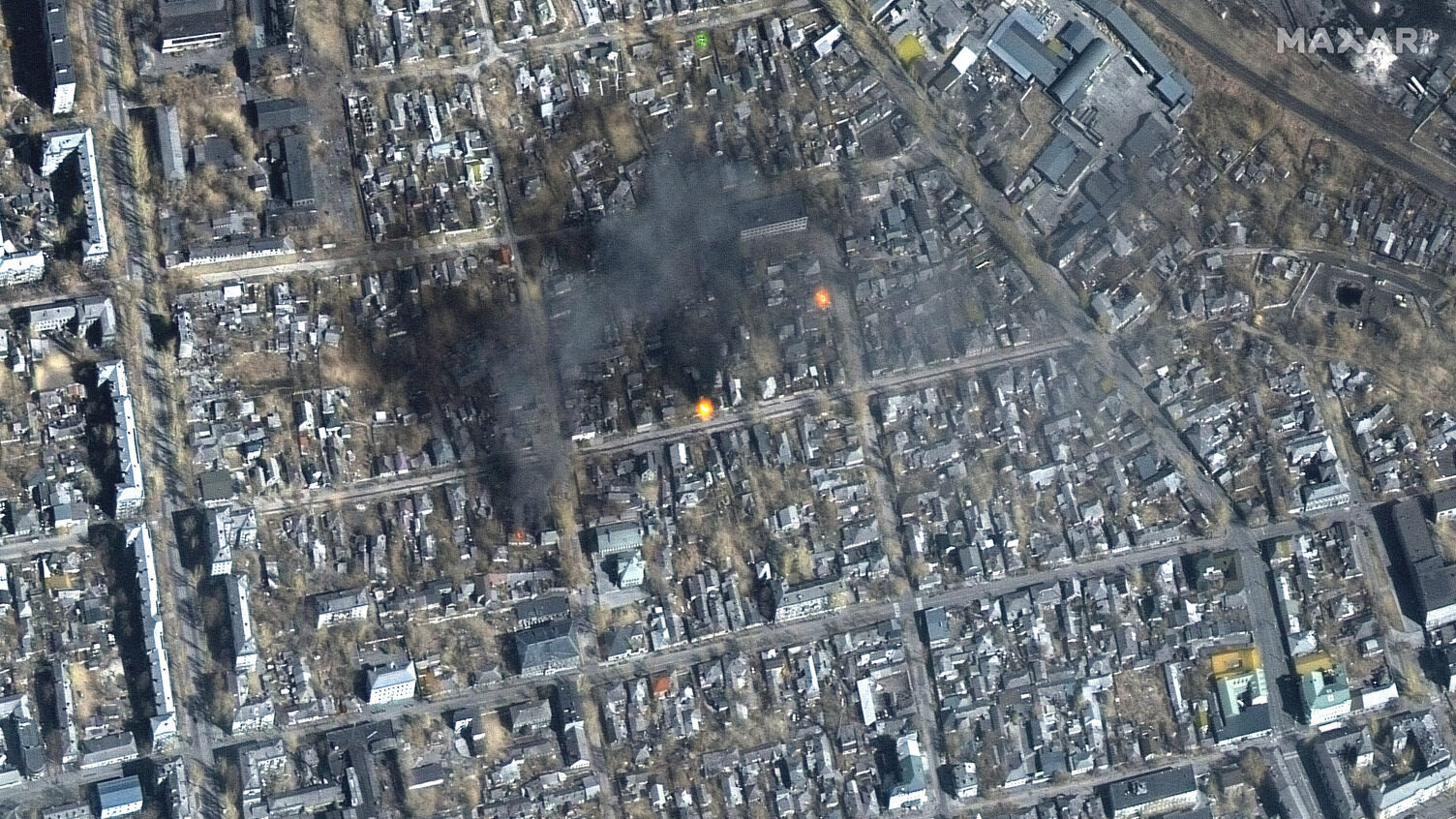
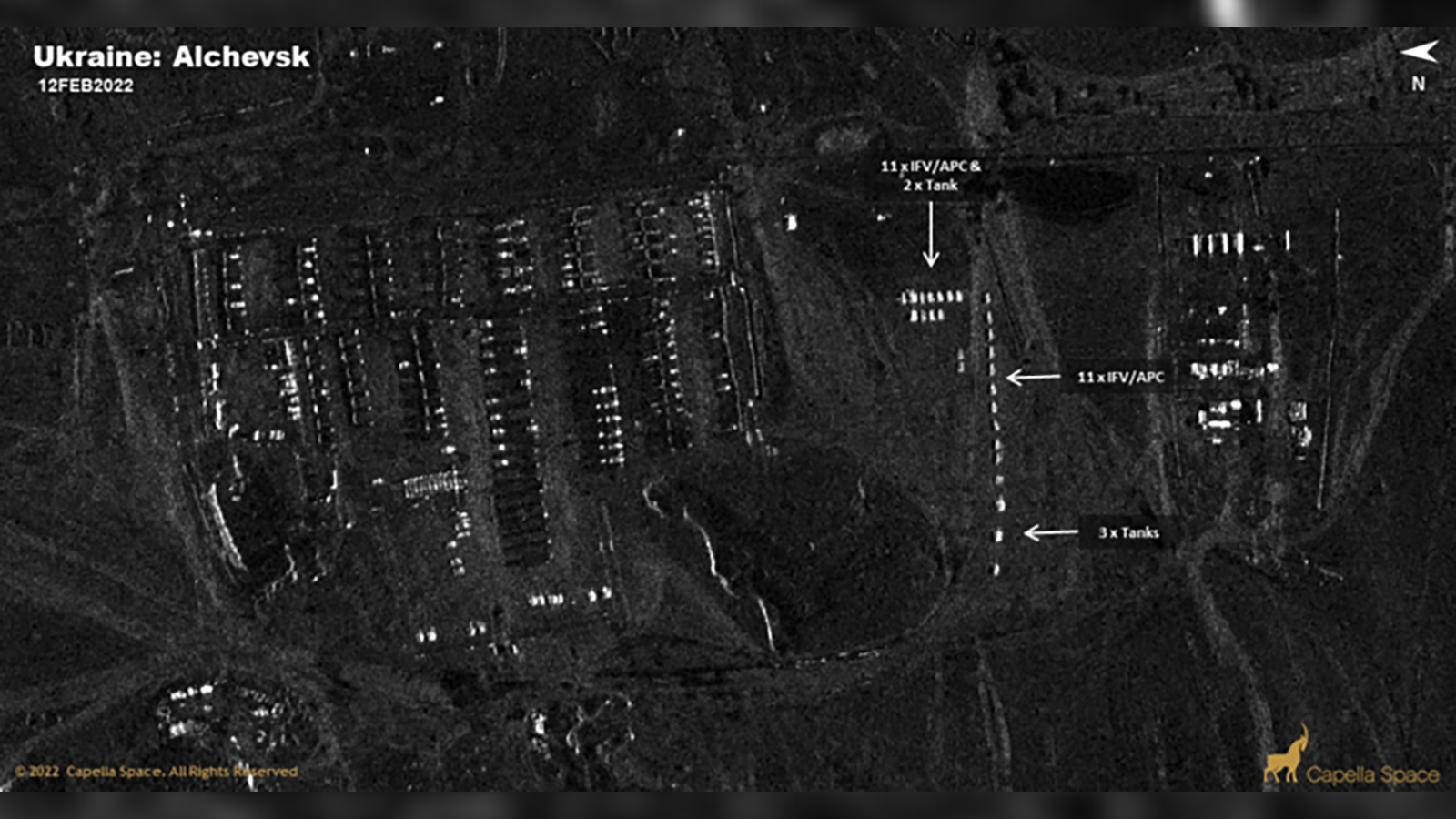
"Going back to pre-Ukraine supplemental procurement levels would see the USG buying only a small fraction of the US commercial SAR capacity available; hardly enough to support combat operations or sustain a healthy US industrial base," said David Gauthier.
Explore how networked warfare, AI, and 3D-printed drones are reshaping US Indo-Pacific strategy.
The new Stage III contracts are expected by industry officials to be the last of the short term, relatively small dollar awards under the SCC BAA — with senior NRO officials pushing to create a longer term program of record in the fiscal 2026 budget.
"[W]e won't be able to sell the premium technology, which means we'll be out competed by [Finland's] ICEYE and other competitors in the global market," Umbra's Jason Mallare told Breaking Defense.
"There is significant value in unclassified, shareable SAR imagery. And we've seen that in Ukraine. And so I think that has changed people's minds quite a bit which has given a lot of momentum to ... how government thinks about future procurements," Capella CEO Payam Banazadeh told Breaking Defense.
Former NASA administrator Jim Bridenstine told Breaking Defense that Phase Four has the potential to "disrupt the in-space propulsion market," and its technology "is important for the country."
The markup also calls for a comprehensive report on how DoD plans to leverage ISR data from commercial radio frequency (RF) satellites, noting that lawmakers have been "encouraged" by the successful use of RF geolocation in exercises, including by European Command.
Payam Banazadeh, CEO of Capella Space, told Breaking Defense that the Ukraine war has been a "critical place for the industry to show itself," but NRO says it isn't accelerating the SAR acquisition process.
How many satellites Capella eventually launches depends on customer demand for faster and faster revisit rates, Capella CEO Payam Banazadeh told Breaking Defense.
While the NGA chief said it's "surprising to see that information advantage on the battlefield is so far countering superior equipment and mass" in Ukraine, experts warn a future information fight with China won't likely go as smoothly.
"We've been talking about the fact that space is contested, and we're probably right in the middle now of our first space fight," said Lt. Gen. Michael Guetlein.
Later in the contracting process, NRO potentially will "have the wherewithal to purchase ad hoc imagery, data products and the like," said Pete Muend, director of the spy agency's Commercial Systems Program Office.
Optical intersatellite links, or OISLs, use lasers to zip data between satellites on orbit — a technology that is both the central node and the biggest challenge in SDA's effort to build a multi-layered National Defense Space Architecture.
"I'd call it a VERY minor slow toe dip," said one stunned company rep, trying to find polite words.